Why does YYCG underwear cost around $30?
Thirty dollars is roughly the lowest we could price a pair without cheaping out on the fabric or the fit, and the most we were willing to charge without adding a markup for the name on the waistband. Cheaper underwear tends to save money on the parts you feel all day. More expensive underwear often charges for the label. We built for the middle.
It's not a cheap price for underwear, and we're not going to pretend it is. It's the number where the product could be genuinely good and the price could still be honest.
What does $15 underwear leave out?
Usually the things you can't see on the shelf. To land a pair at a few dollars, the savings have to come from somewhere: a thinner fabric, less fit development, simpler construction, or finishing that doesn't hold up after a dozen washes.
That's not a scam. It's a spreadsheet. A $15 pair can feel completely fine for the first few minutes, and the real test just arrives later: whether the waistband still holds, whether the shape survives the dryer, whether you're quietly adjusting it by mid-afternoon.
For the item you wear more hours than anything else you own, that's a strange place to cut.
What are you paying for at $60?
Sometimes better materials and construction. Often, a name. Past a certain price, the extra money frequently goes to branding, retail markups, licensing, packaging, or the prestige of a designer label rather than into the pair itself.
Some of that is real. A lot of it is positioning. We didn't want to make a status object you're slightly nervous to wear on an ordinary Tuesday. Underwear is supposed to be lived in, washed often, and reached for without thinking. We went deeper on this in what the big underwear brands get wrong, having owned most of them first.
Where does the money go instead?
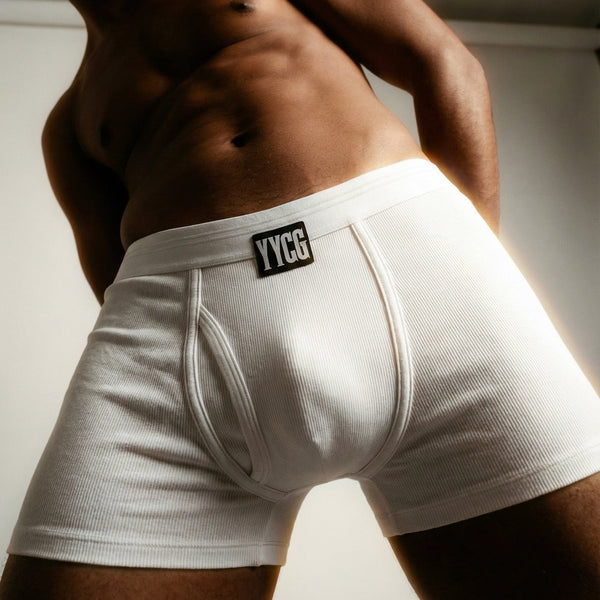
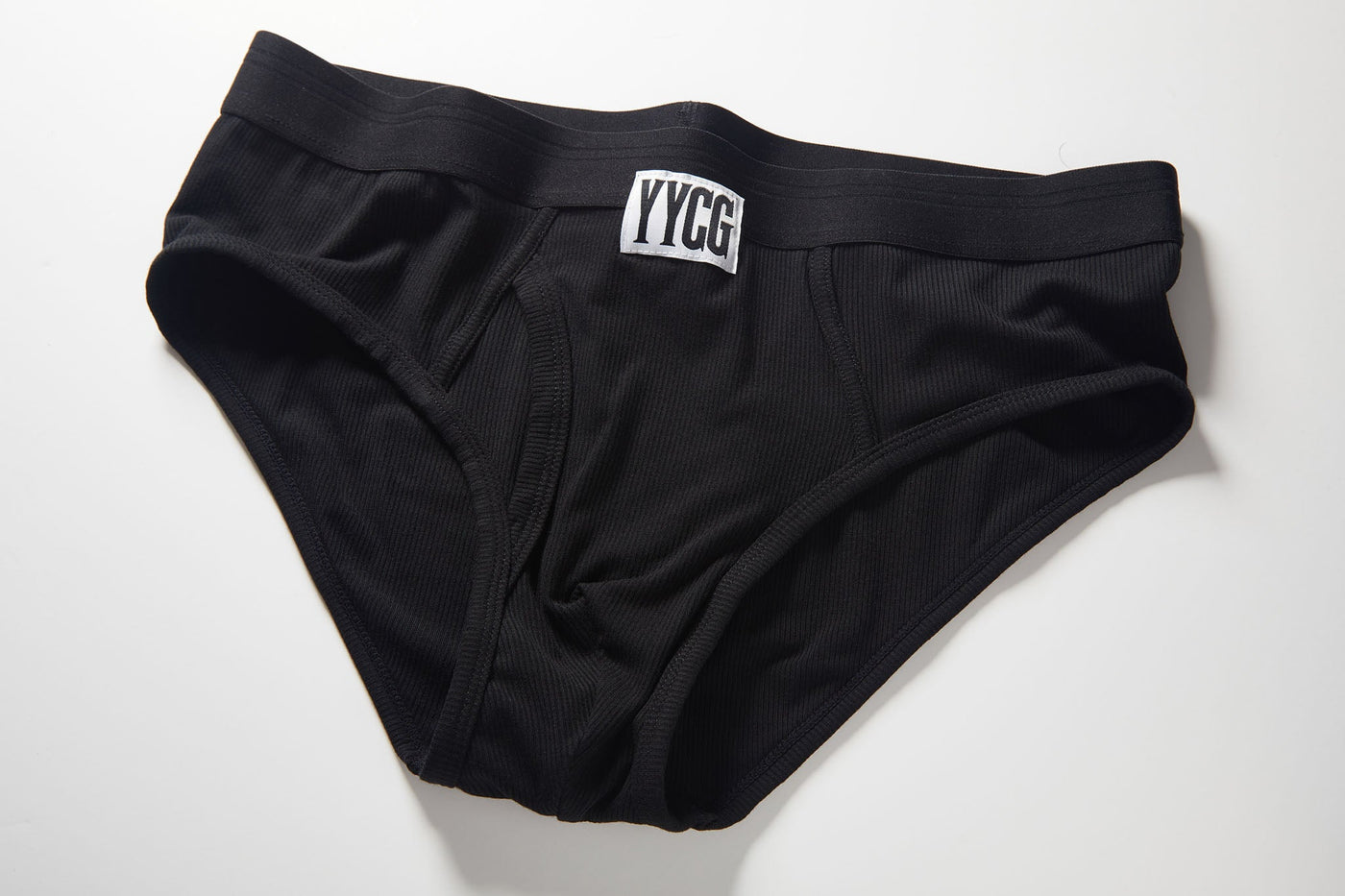
Into the parts that touch you. The fabric, a ribbed 91% rayon and 9% elastane blend, is the reason it feels the way it does rather than the reason the price is what it is. The rest went into the structural details that quietly decide whether a pair lasts: the waistband, the seam placement, the leg opening, the fit block.
There's also a point of view baked in. Our designer came up through Alexander Wang and Diesel, and you can see it in the proportions and the cut, not in a logo. The goal was a pair that looks considered without ever having to say so.
Is $30 underwear worth it?
It's worth it when you can actually feel the difference, and when the pair becomes the one you reach for instead of the one that sits in the drawer.
The value isn't only how long it lasts. It's how often you want to wear it. A cheaper pair that rides up, loses its shape, or goes unused isn't automatically the better deal. A more expensive pair isn't automatically worth it either.
The more useful question isn't "is $30 a lot for underwear." It's "how often will I wear it, and how will it feel when I do."
If you're in, the underwear is here.
Frequently asked questions
Why is premium underwear more expensive?
Usually some mix of fabric, fit development, construction, and branding. A higher price doesn't guarantee quality, so judge the comfort, the shape retention, and the waistband instead of the number on the tag.
Is $30 expensive for underwear?
It's more than a basic multipack and less than most designer labels. Whether it's worth it depends on how often you wear the pair and whether it's a real improvement in comfort, fit, and durability.
Is expensive underwear always better?
No. Some of it is priced for materials and construction; some of it carries heavy branding and retail markup. Fit and fabric matter more than the number on the tag.
How many pairs do you actually need?
It depends on how often you do laundry and whether you wear premium pairs daily. Many people start with two or three, find their preferred style, and build from there.